
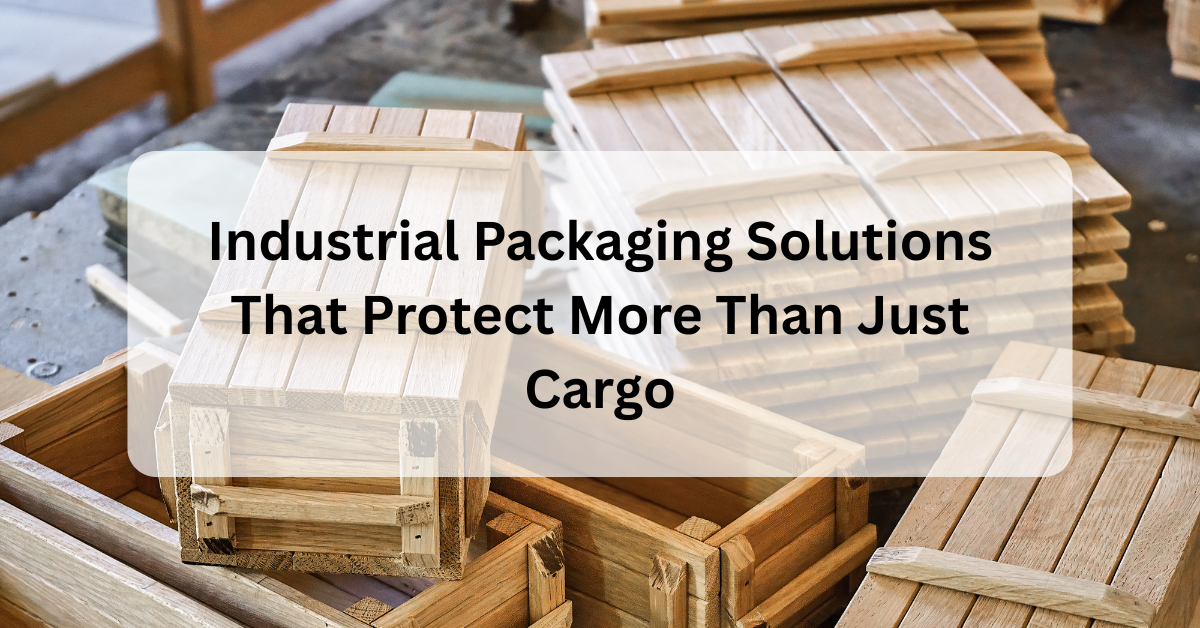

In industrial logistics, packaging is often mistaken as a simple box or pallet. In reality, it is a critical control point that determines whether high-value cargo arrives safely or becomes a costly liability. For exporters and manufacturers in Singapore, effective packaging solutions must withstand handling stress, tropical humidity, and strict international compliance requirements.
This is where professionally engineered packaging — built around wooden crates, wooden pallets, and certified heat treatment — plays a vital role in protecting goods throughout the global supply chain.
Why Packaging Solutions Must Be Engineered, Not Generic
Generic packaging often fails because it ignores real-world logistics conditions such as vibration, stacking pressure, moisture exposure, and repeated handling. Industrial shipments demand packaging solutions that are designed specifically for the product, transport method, and destination regulations.
Key factors that engineered packaging solutions account for include:
- Load weight and distribution
- Handling methods (forklift, crane, containerisation)
- Transit duration and environmental exposure
- Export compliance and inspection risks
Without proper engineering, even robust materials can fail under pressure.
Wooden Crates: Structural Protection Designed for Transit Stress
Wooden crates remain one of the most reliable packaging solutions for industrial cargo due to their strength, adaptability, and protective performance.
Custom Fit for Irregular Equipment
Unlike standard packaging, wooden crates can be custom-built to support oversized machinery, delicate components, and uneven weight distribution. Internal bracing and blocking prevent movement during long-haul transport.
Protection Against Physical Damage
A well-designed wooden crate absorbs impact forces and shields cargo from external stress during loading, unloading, and sea freight operations.
Environmental Shielding
When combined with moisture barriers or sealed packaging methods, wooden crates help reduce exposure to rain, dust, and humidity — common risks in Southeast Asia.
Wooden Pallets: The Foundation of Safe Material Handling
While crates protect the cargo, wooden pallets ensure the cargo can be handled safely and efficiently throughout the logistics chain.
Load Stability and Safety
Properly engineered wooden pallets distribute weight evenly, reducing the risk of tipping, collapse, or forklift damage.
Operational Efficiency
Standardised pallet dimensions streamline warehouse storage, container stuffing, and transport scheduling — reducing downtime and handling errors.
Reusability and Strength
High-quality wooden pallets can withstand multiple shipping cycles, making them a practical solution for recurring industrial shipments.
Heat Treatment: Why Compliance Matters in Global Trade
Using wooden crates and wooden pallets for export requires compliance with international phytosanitary standards. Heat treatment eliminates pests within the wood, preventing cross-border contamination and shipment rejection.
This requirement is enforced globally to protect ecosystems and agriculture. According to the Food and Agriculture Organization of the United Nations (FAO), untreated wood packaging is a known pathway for invasive pests that can cause severe environmental and economic damage worldwide.
This is why heat treatment is not optional for export packaging — it is a critical compliance step that protects both shipments and global ecosystems.
Packaging Solutions Built for Singapore’s Export Environment
Singapore’s climate and logistics landscape introduce unique challenges:
- High humidity levels
- Frequent rainfall
- Strict destination port inspections
- Complex multi-modal transport routes
Kaibeng’s packaging solutions integrate wooden crates, wooden pallets, and certified heat treatment into a controlled workflow that reduces export risks and improves transit reliability.
Why Experience Matters in Industrial Packaging
Packaging failures often occur not due to weak materials, but due to poor understanding of logistics realities. Experienced packaging providers design solutions based on real shipment conditions, not assumptions.
Kaibeng’s approach focuses on:
- Understanding cargo specifications
- Designing packaging to match handling methods
- Ensuring regulatory compliance before shipment
- Supporting smooth project execution
This experience-driven process significantly reduces damage, delays, and compliance issues.
Conclusion
Industrial packaging is more than protection — it is risk management. By combining engineered wooden crates, durable wooden pallets, and compliant heat treatment, businesses can safeguard cargo, reduce logistics disruptions, and ensure smooth international transit.
For exporters in Singapore, investing in professional packaging solutions is not an added cost — it is a strategic advantage that protects both shipments and reputation.