
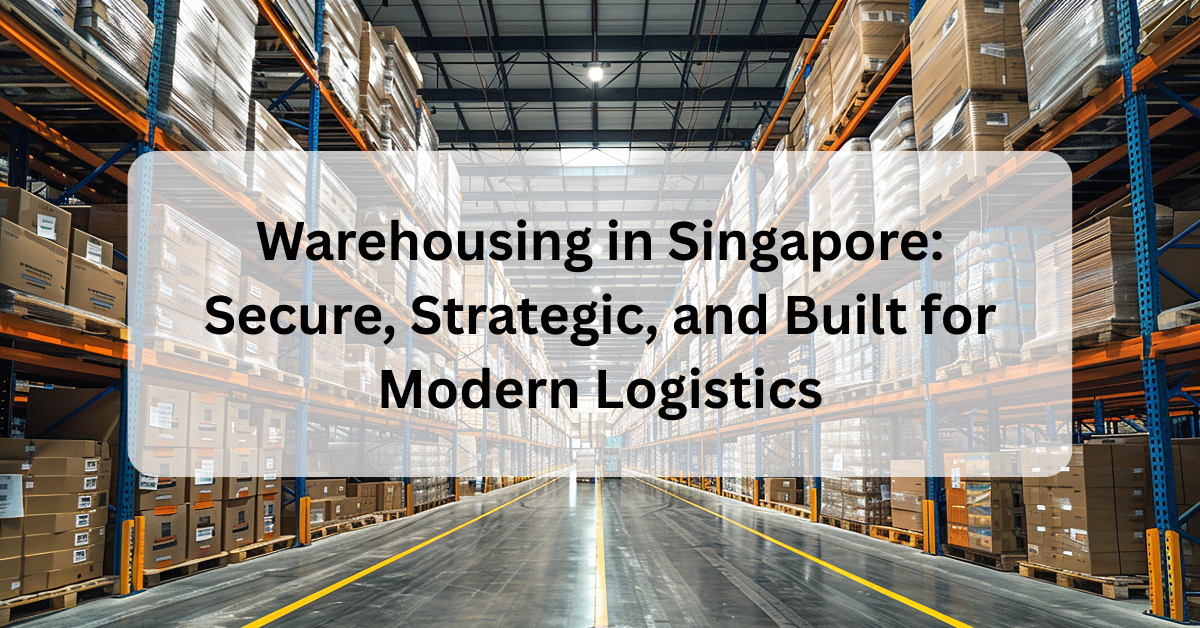

In today’s fast-moving supply chains, warehousing is no longer just about storing goods. It is a critical logistics function that supports inventory control, cargo protection, project coordination, and on-time delivery. For manufacturers, project owners, and international traders operating in Singapore, professional warehousing services play a central role in maintaining operational efficiency and reducing risk.
Modern warehousing facilities must do more than provide space — they must deliver security, structure, and strategic value across the supply chain.
Why Warehousing Is a Strategic Asset
Singapore’s position as a global logistics hub means cargo often moves across multiple transport modes — sea, air, and land. Between these transitions, warehousing ensures goods remain protected and organised.
Effective warehousing supports:
- Buffer storage between shipment phases
- Inventory consolidation for export
- Secure holding of high-value equipment
- Controlled scheduling for project logistics
Without structured warehousing systems, businesses risk shipment delays, misplaced inventory, and unnecessary operational downtime.
Secure Storage for High-Value Equipment
Industrial cargo, machinery, and precision components require more than basic storage. They demand facilities equipped with:
- 24/7 security monitoring
- Access control systems
- Organised layout for safe handling
- Proper load-bearing flooring
High-value equipment stored improperly can suffer from corrosion, environmental exposure, or accidental impact damage. Professional warehousing ensures items are stored in controlled conditions that preserve their quality and functionality.
Inventory Management and Operational Visibility
Warehousing is not just physical storage — it is about inventory management and traceability. Businesses need visibility over their stock levels and shipment readiness.
A well-managed warehousing system provides:
- Accurate inventory tracking
- Clear documentation and labelling
- Organised rack and floor storage allocation
- Efficient retrieval processes
This level of organisation reduces errors, prevents misplaced cargo, and supports smooth dispatch planning.
Supporting Project Logistics Through Warehousing
For companies managing complex industrial projects, warehousing acts as a staging ground. Equipment and materials may arrive at different times but must be delivered together to project sites.
Strategic warehousing allows:
- Consolidation of multiple shipments
- Pre-delivery inspection
- Coordination of just-in-time dispatch
- Temporary holding during site preparation
This is especially important in sectors such as manufacturing, marine engineering, construction, and precision engineering.
Warehousing in Singapore’s Climate Conditions
Singapore’s tropical climate presents specific storage challenges. High humidity levels and frequent rainfall can affect certain materials and machinery if not stored correctly.
Professional warehousing facilities implement protective measures such as:
- Covered loading and unloading bays
- Elevated storage systems
- Moisture control practices
- Proper ventilation
These measures help reduce environmental risks and preserve cargo integrity throughout storage periods.
Safety and Compliance in Warehousing Operations
Warehousing operations must also align with international safety standards. Safe storage practices reduce workplace incidents and protect stored goods.
According to the International Labour Organization (ILO), structured safety systems in logistics and storage environments significantly lower the risk of occupational injuries and operational disruptions. This underscores the importance of professional warehousing processes that prioritise both safety and efficiency.
Integrated Warehousing and Logistics Support
Modern warehousing works best when integrated with packaging, crating, and transport services. Instead of treating storage as a standalone service, businesses benefit from a seamless logistics ecosystem.
Integrated warehousing solutions can include:
- On-site packaging and palletising
- Custom crating before export
- Container loading coordination
- Local delivery arrangement
This streamlined approach reduces unnecessary cargo movement and shortens lead times.
Reducing Downtime Through Strategic Storage
For manufacturers and industrial operators, downtime directly affects revenue. Warehousing supports business continuity by ensuring:
- Spare parts are readily available
- Equipment is staged for quick deployment
- Shipments are prepared in advance
Strategic storage planning allows businesses to respond quickly to operational demands without delay.
Experience Matters in Warehousing Management
Not all warehousing providers offer the same level of expertise. Industrial and project cargo require experienced handling teams who understand:
- Heavy equipment movement
- Proper stacking techniques
- Inventory documentation processes
- Coordination with transport schedules
An experienced warehousing provider reduces the likelihood of errors and improves overall supply chain performance.
Conclusion
Warehousing in Singapore is far more than storage — it is a strategic logistics function that protects assets, improves visibility, and supports seamless cargo movement. From secure storage and inventory management to project coordination and dispatch planning, professional warehousing services enhance both operational efficiency and risk control.
For businesses managing industrial cargo or international shipments, investing in structured and secure warehousing is not an added expense — it is a foundation for reliable, efficient logistics performance.