
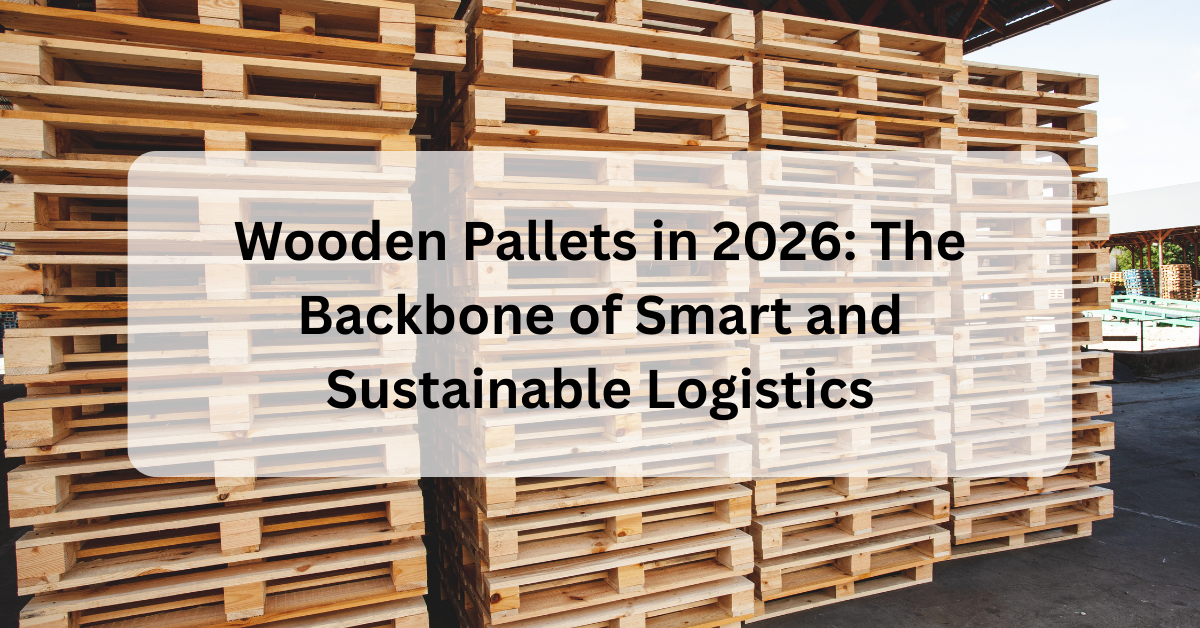

In 2026, global supply chains are more complex, regulated, and sustainability-driven than ever before. Yet one essential logistics component continues to play a foundational role across industries — wooden pallets.
From manufacturing plants to export terminals, wooden pallets remain the backbone of cargo handling and warehousing operations. Their durability, repairability, and compliance with international shipping standards make them indispensable for businesses seeking efficiency and reliability.
As logistics evolves, so too does the role of wooden pallets in supporting safer, smarter, and more sustainable operations.
Why Wooden Pallets Remain Essential in 2026
Despite the emergence of plastic and metal alternatives, wooden pallets continue to dominate global logistics for several reasons:
- High load-bearing strength
- Cost-effectiveness
- Repair and reuse capability
- Compatibility with global export regulations
- Sustainable sourcing options
In Singapore’s trade-driven economy, wooden pallets are used across industries including electronics, precision engineering, marine, aerospace, pharmaceuticals, and manufacturing.
Their versatility allows them to handle everything from bulk goods to high-value equipment with stability and efficiency.
Stronger Focus on Sustainability
Sustainability is no longer optional in logistics planning. In 2026, companies are under increasing pressure to reduce waste and carbon emissions.
Wooden pallets support sustainability goals through:
1. Renewable Material Source
Wood is a renewable resource when sourced responsibly. Sustainable forestry practices ensure long-term environmental balance.
2. Repair and Reuse
Unlike many alternatives, wooden pallets can be repaired multiple times. Damaged boards can be replaced, extending pallet lifespan and reducing overall waste.
3. Recyclability
At the end of their usable life, wooden pallets can be repurposed into wood chips, mulch, or secondary wood products.
According to the Food and Agriculture Organization of the United Nations (FAO), sustainable forest management plays a crucial role in supporting renewable material supply chains worldwide.
This global focus on sustainability reinforces the continued relevance of wooden pallets in modern logistics systems.
Compliance and Export Standards
In 2026, export compliance remains a key consideration for businesses using wooden pallets internationally. Pallets used in cross-border shipping must meet phytosanitary standards to prevent the spread of pests.
Heat treatment processes ensure wooden pallets comply with international regulations, reducing the risk of shipment rejection or customs delays.
For exporters operating in Singapore, compliance is especially important due to the country’s strong regulatory environment and global trade connectivity.
Advancements in Pallet Design and Engineering
Wooden pallets in 2026 are not the same as those used decades ago. Modern pallet manufacturing incorporates:
- Precision cutting technology
- Reinforced load-bearing structures
- Improved moisture resistance
- Custom sizing for specialised cargo
Engineering enhancements improve load stability and reduce handling damage during forklift or crane operations.
Customised pallet solutions are increasingly popular for businesses transporting heavy machinery, irregular equipment, or fragile items.
The Role of Wooden Pallets in Warehouse Efficiency
Warehousing operations rely heavily on standardised pallet systems. Wooden pallets support:
- Efficient stacking and racking
- Faster loading and unloading
- Reduced manual handling risks
- Improved inventory organisation
Their compatibility with forklifts and automated systems ensures seamless integration into both traditional and modern warehouse environments.
In Singapore, where space optimisation is critical, well-designed pallet systems maximise storage capacity and operational flow.
Risk Reduction Through Proper Pallet Selection
Choosing the right wooden pallets directly impacts cargo safety. Poorly constructed pallets can lead to:
- Load collapse
- Uneven weight distribution
- Handling accidents
- Product damage
Professional pallet providers assess cargo type, weight limits, and transportation conditions to recommend suitable pallet designs.
This risk-focused approach reduces insurance claims, operational delays, and reputational damage.
Wooden Pallets in Project and Industrial Logistics
Large-scale industrial projects rely heavily on durable pallet systems. Whether staging equipment for installation or consolidating shipments for export, wooden pallets provide a stable and adaptable foundation.
Their strength allows them to support heavy equipment and machinery, while their customisability enables adjustments for specific project requirements.
For industries managing tight timelines, reliable pallet performance ensures smooth coordination between warehouse storage and on-site deployment.
Why Experience Matters in Pallet Manufacturing
Not all wooden pallets are equal. Quality depends on:
- Timber grading standards
- Structural design expertise
- Proper fastening methods
- Quality control inspection
Experienced manufacturers ensure pallets meet performance standards before they enter the supply chain.
In 2026, businesses are increasingly prioritising long-term reliability over short-term cost savings — making professional pallet production a strategic investment.
Conclusion
As global logistics continues to evolve, wooden pallets remain a fundamental element of efficient, compliant, and sustainable supply chains. Their adaptability, repairability, and alignment with environmental goals ensure they remain relevant in 2026 and beyond.
For companies operating in Singapore and across international markets, investing in high-quality wooden pallets supports operational efficiency, reduces risk, and strengthens sustainability commitments.
In a world of rapid change, wooden pallets continue to provide a stable foundation for global trade.