
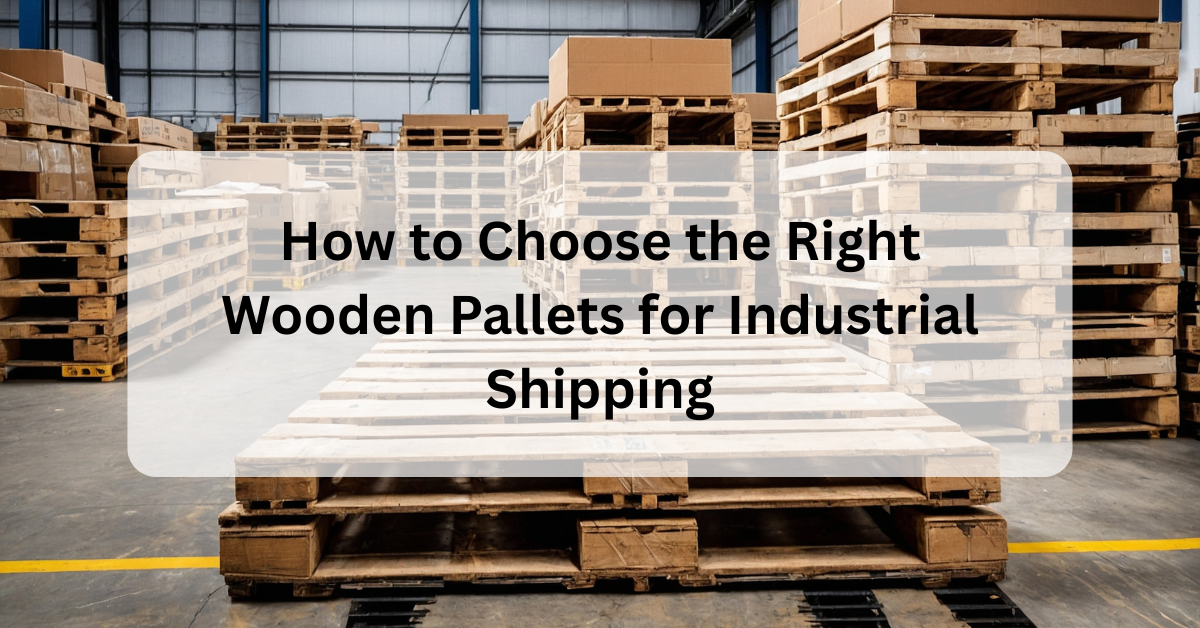

When it comes to industrial logistics, one small decision can have a major impact on the safety and efficiency of your shipment — choosing the right wooden pallets. While pallets may seem like a simple component of cargo handling, the wrong pallet type can lead to load instability, product damage, handling accidents, and costly delays.
For manufacturers, exporters, and logistics companies in Singapore, selecting the right wooden pallets is an essential step in ensuring cargo moves safely through warehouses, ports, and international shipping routes.
In this guide, we explore how businesses can choose the most suitable wooden pallets for their logistics needs.
Why Wooden Pallets Are Still the Industry Standard
Despite the availability of alternative materials such as plastic or metal pallets, wooden pallets remain the most widely used pallet type worldwide.
Their popularity is due to several advantages:
- High strength-to-weight ratio
- Cost-effective production
- Easy repair and maintenance
- Customisable sizes and designs
- Compatibility with international shipping standards
For businesses handling heavy equipment, manufacturing components, or export cargo, wooden pallets provide the durability and flexibility required for reliable transport.
Key Factors to Consider When Choosing Wooden Pallets
Selecting the right wooden pallets requires evaluating multiple logistics factors. Each shipment may have different requirements depending on the cargo type, transportation method, and handling process.
1. Load Capacity
One of the most critical factors when choosing wooden pallets is load capacity. Pallets must support the weight of the cargo without bending or breaking.
There are typically three load considerations:
- Static load – the weight the pallet can hold while stationary
- Dynamic load – the weight supported during movement with forklifts
- Racking load – the weight supported when stored on warehouse racks
For industrial equipment and machinery, reinforced wooden pallets may be required to safely support heavy loads.
2. Pallet Design and Structure
Different pallet structures serve different logistics purposes. Common wooden pallet designs include:
Stringer Pallets
These pallets use parallel support beams (stringers) and are commonly used for general warehouse operations.
Block Pallets
Block pallets feature stronger structural support and allow four-way forklift access, making them suitable for heavy-duty cargo and automated warehouse systems.
The choice between these designs depends on handling requirements and warehouse infrastructure.
3. Pallet Size and Dimensions
Standard pallet sizes are commonly used to ensure compatibility with containers, trucks, and warehouse racking systems.
However, certain cargo — particularly machinery or irregular equipment — may require customised wooden pallets designed specifically for the shipment.
Custom sizing helps ensure proper weight distribution and reduces the risk of cargo shifting during transport.
Export Compliance for Wooden Pallets
Businesses shipping internationally must ensure that their wooden pallets comply with global phytosanitary regulations.
These regulations aim to prevent the spread of pests and plant diseases through untreated wood packaging materials. Proper heat treatment ensures pallets meet the required export standards.
The International Plant Protection Convention (IPPC) establishes these global standards to protect ecosystems and agricultural industries from invasive pests.
Using compliant wooden pallets helps businesses avoid customs delays, rejected shipments, and costly reprocessing.
Wooden Pallets and Warehouse Efficiency
Beyond shipping, wooden pallets also play a key role in warehouse efficiency.
Well-designed pallet systems help businesses:
- Maximise storage space
- Improve forklift handling efficiency
- Reduce manual handling risks
- Organise inventory more effectively
In logistics hubs like Singapore, where warehouse space is valuable, efficient pallet usage contributes significantly to operational productivity.
Safety Considerations for Wooden Pallets
Safety should always be a top priority when selecting wooden pallets. Damaged or poorly constructed pallets can lead to:
- Collapsed cargo stacks
- Handling accidents
- Equipment damage
- Workplace injuries
Regular pallet inspection and quality manufacturing standards help ensure pallets remain structurally reliable throughout their lifecycle.
Companies that invest in well-built pallets often experience fewer operational disruptions and improved workplace safety.
Custom Wooden Pallets for Specialised Cargo
Some industries require specialised wooden pallets tailored to specific cargo needs. These may include:
- Heavy industrial machinery
- Sensitive precision equipment
- Large manufacturing components
- Export-ready project cargo
Custom pallets are engineered to distribute weight evenly and provide stability during handling and transport.
For high-value cargo, this customised approach significantly reduces the risk of damage.
Why Experience Matters in Pallet Manufacturing
The quality of wooden pallets depends heavily on the expertise of the manufacturer. Proper material selection, structural design, and quality control are essential to ensure pallets perform reliably under real logistics conditions.
Experienced pallet manufacturers understand how cargo behaves during lifting, stacking, and transportation, allowing them to design pallets that provide both strength and durability.
Conclusion
Although wooden pallets may appear simple, they play a crucial role in protecting cargo, improving logistics efficiency, and ensuring compliance with international shipping regulations.
By carefully selecting the right wooden pallets based on load capacity, design, compliance requirements, and cargo characteristics, businesses can reduce operational risks and enhance the reliability of their supply chains.
For companies involved in manufacturing, export, or industrial logistics, investing in high-quality wooden pallets is not just a packaging decision — it is a strategic move toward safer and more efficient cargo handling.