
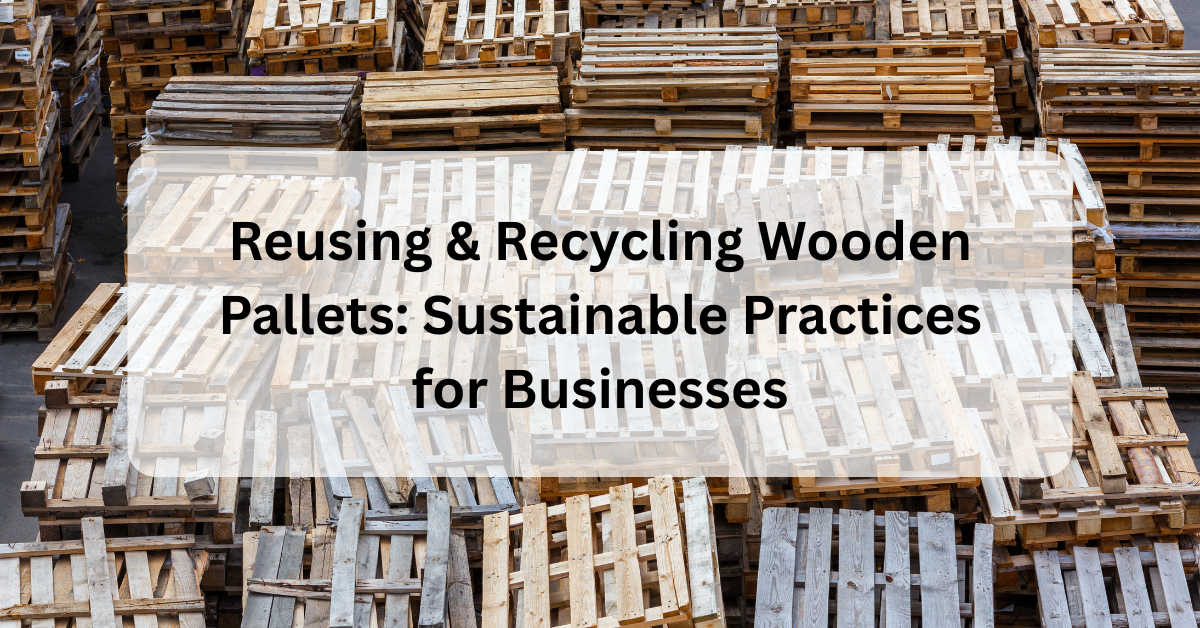

In today’s business environment, sustainability is no longer a choice but a responsibility. Companies in Singapore and worldwide are under increasing pressure to adopt eco-friendly practices, and one often-overlooked opportunity lies in the way businesses handle wooden pallets.
From logistics to warehousing, wooden pallets are a backbone of supply chain operations. But beyond their practical function, they can also play a major role in reducing waste, cutting costs, and supporting green business practices. In this article, we’ll explore the benefits of reusing and recycling wooden pallets, along with practical steps businesses can take to make their operations more sustainable.
Why Wooden Pallets Matter in Sustainability
Every year, millions of wooden pallets are manufactured to transport goods around the globe. While they are strong, reliable, and reusable, many end up being discarded after a single use. This creates unnecessary waste and increases demand for new timber, placing additional strain on natural resources.
By reusing and recycling wooden pallets, businesses can reduce their carbon footprint while also enjoying financial savings. According to the National Environment Agency (NEA) of Singapore, waste reduction and recycling are crucial steps toward achieving the country’s zero-waste vision. Wooden pallets fit perfectly into this mission, as they can be repaired, repurposed, or even transformed into new products.
The Benefits of Reusing Wooden Pallets
- Cost Savings
Purchasing new pallets can be expensive, especially for businesses that ship large volumes of goods. By reusing existing wooden pallets, companies can significantly cut down on procurement costs. - Durability and Strength
High-quality wooden pallets are designed for multiple uses. With simple repairs such as replacing broken boards or reinforcing weak joints, pallets can last far longer than expected. - Reduced Waste
Instead of discarding damaged pallets, businesses can repair or recycle them, reducing the amount of waste sent to landfills. - Improved Sustainability Image
Today’s consumers and partners value companies that practice sustainability. Reusing pallets demonstrates a clear commitment to environmental responsibility, strengthening brand reputation.
Recycling Wooden Pallets: Going Beyond Reuse
Even when pallets are too damaged for reuse, they don’t have to go to waste. Wooden pallets can be recycled into new products such as:
- Wood chips and mulch for landscaping and gardening.
- Particleboard used in furniture manufacturing.
- Biofuel to generate renewable energy.
- Creative upcycled products, including office furniture, shelving, or decorative pieces.
By recycling wooden pallets, businesses extend the lifecycle of raw materials, ensuring nothing goes to waste.
Sustainable Practices for Businesses
Here are practical ways businesses in Singapore can implement greener pallet strategies:
- Work with Reliable Pallet Suppliers
Partner with companies like Kai Beng that prioritize sustainability by offering repair, reuse, and recycling services for wooden pallets. - Set Up a Pallet Return Program
Encourage customers or logistics partners to return pallets for reuse rather than discarding them after delivery. - Conduct Regular Pallet Inspections
By checking pallets for minor damages, businesses can repair them early and extend their lifespan. - Train Employees in Pallet Handling
Proper handling reduces breakage and increases the longevity of pallets. - Track Pallet Lifecycles
Using technology, businesses can monitor pallet use, ensuring they get the most out of each unit before recycling.
How Kai Beng Supports Sustainability
At Kai Beng, sustainability is integrated into everything we do. As one of Singapore’s leading providers of wooden pallets, we focus on ensuring that our products are not only durable and compliant with international standards but also environmentally friendly.
We provide:
- Repair and refurbishment services to maximize pallet lifespan.
- Custom wooden pallets designed for durability and reusability.
- Recycling solutions to ensure damaged pallets are responsibly processed.
By working with Kai Beng, businesses can confidently pursue green supply chain practices without compromising efficiency or reliability.
The Future of Wooden Pallets in Singapore
Singapore is moving toward a more sustainable future, and businesses have a role to play in achieving national green goals. By adopting pallet reuse and recycling practices, companies can reduce waste, save costs, and demonstrate leadership in corporate responsibility.
Wooden pallets may seem like a small detail in logistics, but when managed sustainably, they become a powerful tool for change. Companies that act now not only reduce their environmental footprint but also position themselves ahead of competitors in a business world that increasingly values eco-conscious practices.
Conclusion
Reusing and recycling wooden pallets is more than just an operational decision—it’s a strategic move toward sustainability. Businesses in Singapore can benefit financially, operationally, and reputationally by making this shift. With support from trusted partners like Kai Beng, implementing eco-friendly pallet strategies has never been easier.
If your business is ready to embrace sustainable logistics, start with something simple yet impactful: make the most of your wooden pallets.