
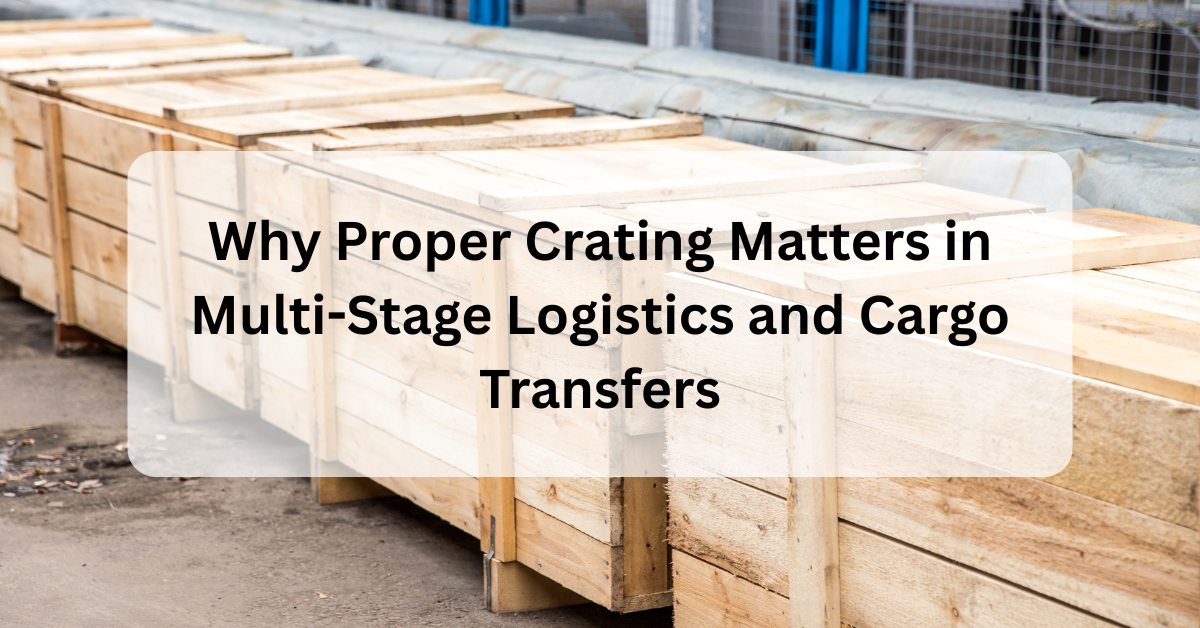

Many businesses assume cargo damage only happens during long-distance shipping. In reality, a large percentage of shipment damage occurs during handling, loading, unloading, and cargo transfers between transport stages. This is why professional crating plays such a critical role in modern logistics operations.
For industrial machinery, precision equipment, and export cargo, transportation often involves multiple checkpoints before reaching the final destination. A shipment may move through warehouses, ports, cranes, trucks, and shipping containers — all before delivery is completed. Every movement increases the possibility of vibration, impact, moisture exposure, and mishandling.
Without proper crating protection, even durable equipment can suffer costly damage during these transitions.
The Growing Complexity of Modern Logistics
Today’s supply chains are far more complex than they were a decade ago. Cargo may travel across multiple countries and transportation systems within a single shipment cycle.
A typical export shipment from Singapore could involve:
- Warehouse storage
- Forklift transfers
- Truck transportation
- Port handling operations
- Container loading
- Ocean freight movement
- Customs inspections
- Final delivery handling
Each stage introduces potential risks to the cargo.
Professional crating creates a strong protective structure around the shipment, reducing the likelihood of damage throughout the logistics journey.
Why Cargo Transfers Are High-Risk Moments
One of the biggest risks in logistics occurs when cargo changes hands between operators or transport systems.
During cargo transfers, shipments may experience:
- Sudden impacts from lifting equipment
- Uneven weight distribution
- Tilting during movement
- Exposure to rain or humidity
- Pressure from stacking
These risks become even more serious when handling fragile or high-value equipment.
Proper crating helps stabilise cargo and absorb external stress during these transfer points.
For industrial businesses, preventing damage during handling is just as important as protecting cargo during transportation itself.
Crating Protects More Than the Product
Many people think crating only protects the external appearance of cargo. In reality, effective crating also safeguards internal components that may be vulnerable to movement and vibration.
This is especially important for:
- Precision engineering equipment
- Manufacturing machinery
- Electronics and control systems
- Calibration devices
- Medical and laboratory equipment
Even small internal misalignments can affect equipment performance.
Professional crating solutions often include:
- Internal bracing systems
- Shock-absorbing supports
- Foam cushioning
- Reinforced structural bases
These features help minimise movement and reduce vibration-related damage during transit.
Export Cargo Requires Stronger Protection
International shipments face harsher handling conditions compared to domestic transportation.
Cargo travelling overseas may encounter:
- Longer shipping durations
- Frequent loading and unloading
- Rough sea conditions
- Humidity fluctuations
- Extended warehouse storage periods
Because of this, export cargo typically requires stronger crating protection.
The International Chamber of Commerce (ICC) highlights the importance of proper logistics risk management and cargo protection within international trade operations.
Professional crating helps businesses reduce these international shipping risks while improving overall cargo reliability.
The Importance of Heat-Treated Crating
Wooden crating materials used for export shipments must comply with international phytosanitary regulations.
Singapore’s humid tropical climate makes untreated wood vulnerable to pest infestation and moisture-related issues. To address this, professional crating providers apply heat treatment processes that comply with ISPM 15 standards.
According to Kai Beng’s heat treatment process, heat-treated wooden packaging helps eliminate pests and ensures export compliance for international shipping requirements.
This process helps prevent customs delays and shipment rejection at international ports.
Crating Improves Logistics Efficiency
Beyond protection, professional crating also supports smoother logistics operations.
Well-designed crates make cargo easier to:
- Lift using forklifts
- Secure during transportation
- Stack inside containers
- Store within warehouses
This improves operational efficiency while reducing handling risks.
For project logistics operations involving large industrial equipment, efficient crating can significantly improve transportation coordination and site delivery planning.
Why Custom Crating Makes a Difference
Every shipment has different protection requirements. Cargo weight, dimensions, fragility, and transportation methods all influence the type of crating needed.
Custom crating allows packaging specialists to design structures specifically suited for:
- Heavy machinery
- Irregularly shaped cargo
- Sensitive electronics
- Long-distance export shipments
At Kai Beng, custom crating solutions are developed based on cargo specifications, transportation conditions, and project requirements. Their team designs and manufactures crates that provide structural durability while supporting efficient logistics handling.
This tailored approach provides stronger protection compared to generic packaging solutions.
Experience Matters in Professional Crating
Effective crating requires more than assembling wooden panels together. Experienced providers understand how cargo behaves during transportation and how external forces affect shipment stability.
Professional crating specialists evaluate:
- Weight distribution
- Centre of gravity
- Transport conditions
- Handling equipment
- Export compliance requirements
This engineering-focused approach ensures the crate performs reliably throughout the logistics process.
For businesses transporting high-value cargo, professional crating becomes an important part of operational risk management.
Conclusion
As global logistics becomes more demanding, businesses can no longer rely on basic packaging solutions for valuable cargo. Professional crating provides the structural protection needed to safeguard equipment throughout complex transportation and cargo transfer processes.
From reducing handling damage to supporting export compliance and logistics efficiency, proper crating plays a critical role in modern industrial shipping operations.
For businesses handling machinery, engineering equipment, or export cargo, investing in professionally designed crating solutions helps improve shipment reliability, reduce operational risks, and ensure smoother logistics performance from start to finish.