
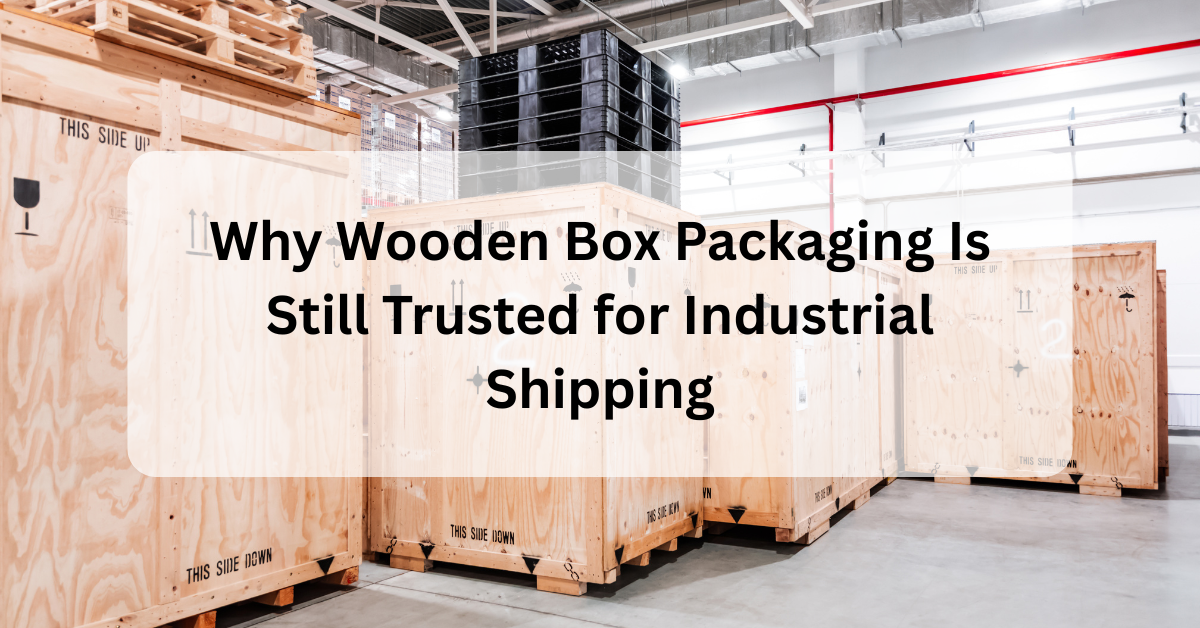

In an era of advanced logistics and automated supply chains, businesses still rely heavily on one traditional packaging solution — the wooden box. While newer materials continue to enter the market, wooden boxes remain widely trusted across industries for their durability, adaptability, and ability to protect valuable cargo during transportation.
For businesses in Singapore handling machinery, engineering equipment, and export shipments, choosing the right packaging can directly impact cargo safety and logistics efficiency. A professionally designed wooden box provides the structural support needed to withstand handling, stacking, and long-distance transportation.
As global shipping becomes more demanding, wooden box packaging continues to prove its value in industrial logistics.
What Makes Wooden Boxes Different?
Unlike lightweight packaging materials, a wooden box is designed to provide rigid protection for cargo. Built using durable timber panels and reinforced structures, wooden boxes help shield goods from impact, vibration, and external pressure during transit.
Wooden boxes are commonly used for:
- industrial machinery
- precision equipment
- fragile export cargo
- electronics and engineering components
- oversized or irregular shipments
Because wooden boxes can be customised according to cargo dimensions and handling requirements, they remain one of the most versatile packaging solutions in industrial logistics.
Strong Protection for Heavy and Fragile Cargo
One of the biggest reasons businesses continue using wooden boxes is their ability to protect valuable equipment during transportation.
Cargo moving through supply chains often experiences:
- forklift handling
- loading and unloading impact
- vibration during road or sea transport
- stacking pressure in containers or warehouses
A properly constructed wooden box absorbs and distributes these external forces, reducing the risk of damage.
For fragile or high-value cargo, this level of protection is essential.
Custom Wooden Box Solutions for Different Industries
Different industries have different packaging requirements. Standard packaging may not always provide sufficient protection for specialised equipment.
Manufacturing Sector
Industrial manufacturers often ship heavy machine parts and equipment that require reinforced wooden box structures for safe transportation.
Precision Engineering
Sensitive engineering instruments need secure packaging with internal stabilisation to minimise movement during transit.
Marine and Offshore Industry
Equipment used in offshore projects may travel long distances under harsh conditions. Durable wooden boxes help ensure these components arrive safely.
Export Logistics
International shipments frequently require custom wooden box packaging designed to comply with shipping regulations while protecting cargo throughout the export process.
This flexibility makes wooden boxes highly valuable across many industrial sectors.
Wooden Boxes and Export Compliance
For businesses involved in global trade, export compliance is an important consideration when using wood packaging materials.
International regulations require wood packaging used in export shipments to meet phytosanitary standards designed to prevent the spread of pests between countries.
The International Plant Protection Convention (IPPC) establishes the ISPM 15 standard for wood packaging materials used in international shipping.
Professional wooden box manufacturers follow these standards by applying approved treatment processes before export use.
This ensures shipments move smoothly through customs without unnecessary delays or penalties.
Why Wooden Boxes Are Suitable for Singapore’s Climate
Singapore’s tropical climate creates unique challenges for cargo packaging. High humidity and moisture exposure can affect sensitive equipment if packaging is not properly designed.
Modern wooden box solutions often include:
- moisture-resistant wrapping
- internal cushioning systems
- ventilation features
- protective coatings or barriers
These enhancements help protect cargo against moisture damage, corrosion, and environmental exposure during transportation and storage.
For exporters operating in Singapore, climate-resistant packaging is an important part of cargo protection planning.
Better Handling and Logistics Efficiency
Wooden boxes are not just about protection — they also improve operational efficiency.
Most wooden boxes are designed for compatibility with forklifts and lifting equipment, allowing safer and faster cargo handling.
Benefits include:
- easier loading and unloading
- improved warehouse organisation
- reduced manual handling risks
- better cargo stability during transport
Efficient packaging design helps streamline logistics operations while reducing the chance of damage caused by improper handling.
Sustainability and Reusability
As sustainability becomes increasingly important in logistics, many businesses are choosing packaging solutions that support environmental goals.
Wooden boxes offer several sustainability advantages:
- wood is a renewable material
- boxes can often be reused multiple times
- damaged components may be repaired
- wood materials can be recycled after use
Compared to disposable packaging materials, wooden boxes provide a more sustainable long-term solution for industrial shipping.
According to the Food and Agriculture Organization of the United Nations (FAO), responsibly sourced wood products support sustainable industrial practices and resource management worldwide.
This aligns with the growing demand for environmentally responsible logistics solutions.
The Importance of Professional Wooden Box Manufacturing
Not all wooden boxes provide the same level of protection. Effective packaging design requires experience in structural engineering, cargo handling, and logistics planning.
Professional manufacturers consider factors such as:
- cargo dimensions and weight distribution
- transportation methods
- export requirements
- handling conditions during shipment
This ensures that wooden boxes are built to perform reliably under real shipping conditions.
Companies handling valuable cargo should always work with experienced packaging specialists to minimise transportation risks.
Conclusion
As supply chains continue to evolve, businesses require packaging solutions that provide strength, reliability, and flexibility. The wooden box remains one of the most trusted packaging methods for protecting industrial cargo, machinery, and export shipments.
With advantages such as durability, customisation, export compliance, and sustainability, wooden boxes continue to play a critical role in modern logistics operations.
For companies operating in Singapore’s competitive trade environment, investing in professionally designed wooden box packaging helps ensure safer transportation, smoother logistics processes, and stronger long-term operational performance.